

Body odour is embarrassing to talk about, but almost every woman deals with it: in summer, after housework, during periods, or just on a hot day. You wash in the morning, and by the afternoon the smell is back. You spray perfume, and it only mixes with the smell and makes it worse. It feels like nothing works.
Here is the truth that helps: sweat itself has almost no smell. The smell comes from bacteria on the skin that eat sweat and make smelly chemicals. So the fix is not more perfume. It is fewer bacteria, drier skin, and cleaner clothes.
Five home habits can keep you fresh all day, without expensive products or strong chemicals. This guide explains each one step by step, in simple words, so you can start tomorrow morning with things you already have at home.
Quick Answer
- Sweat has no smell; bacteria cause the smell. Bacteria on warm, damp skin break down sweat into smelly chemicals.
- Wash the odour areas properly every day. Underarms, feet and skin folds need a gentle antibacterial wash.
- Dry your skin fully after washing. Bacteria love damp skin, so pat dry and do not leave the skin wet.
- Use a natural deodorant or home remedy. Lemon, a baking soda paste, or a plain deodorant all reduce bacteria.
- Wear clean, loose cotton clothes. Dirty or tight synthetic clothes trap smell against the skin.
- Be patient. With the right habits, the smell improves in a few days, not weeks.
Why Does Body Odour Happen?
Your body has two kinds of sweat glands. The ones all over your body make a watery sweat that cools you down, and it barely smells. The glands in your underarms and groin make a thicker sweat, full of proteins and fats. Bacteria on the skin love that thick sweat. They break it down, and the waste they make is what smells.
Heat, stress, tight clothes, and hair in the underarms all make it worse: more sweat, more warmth, and more bacteria. Spicy food, garlic and onion can also change how your sweat smells, because their chemicals come out through the skin.
None of this means you are unclean. It means bacteria have a good home on your skin, and a few small changes can take that home away. Once you understand the cause, the remedies make sense: wash the bacteria away, keep the skin dry, and do not give them warm, damp clothes to live in.
1. Wash the Right Areas, the Right Way
WHY it works: Most women wash their whole body quickly and move on. But smell lives in a few warm, damp places: the underarms, between the toes, under the breasts, and the skin folds. Those places need proper washing every day, because that is where the bacteria live.
HOW to do it: Every day, wash your underarms, feet and folds with a gentle antibacterial soap or body wash. Wash each area for at least 30 seconds, and rinse well. In summer, or after sweating, wash your underarms twice a day. Use a clean washcloth, not just your hands: a cloth removes bacteria and dead skin that hands miss.
Tip: Do not use a very hot shower. Hot water strips the skin's natural protection and makes it sweat more afterwards. Lukewarm water cleans just as well and keeps the skin calm. Clean, calm skin sweats less and smells less than irritated skin.
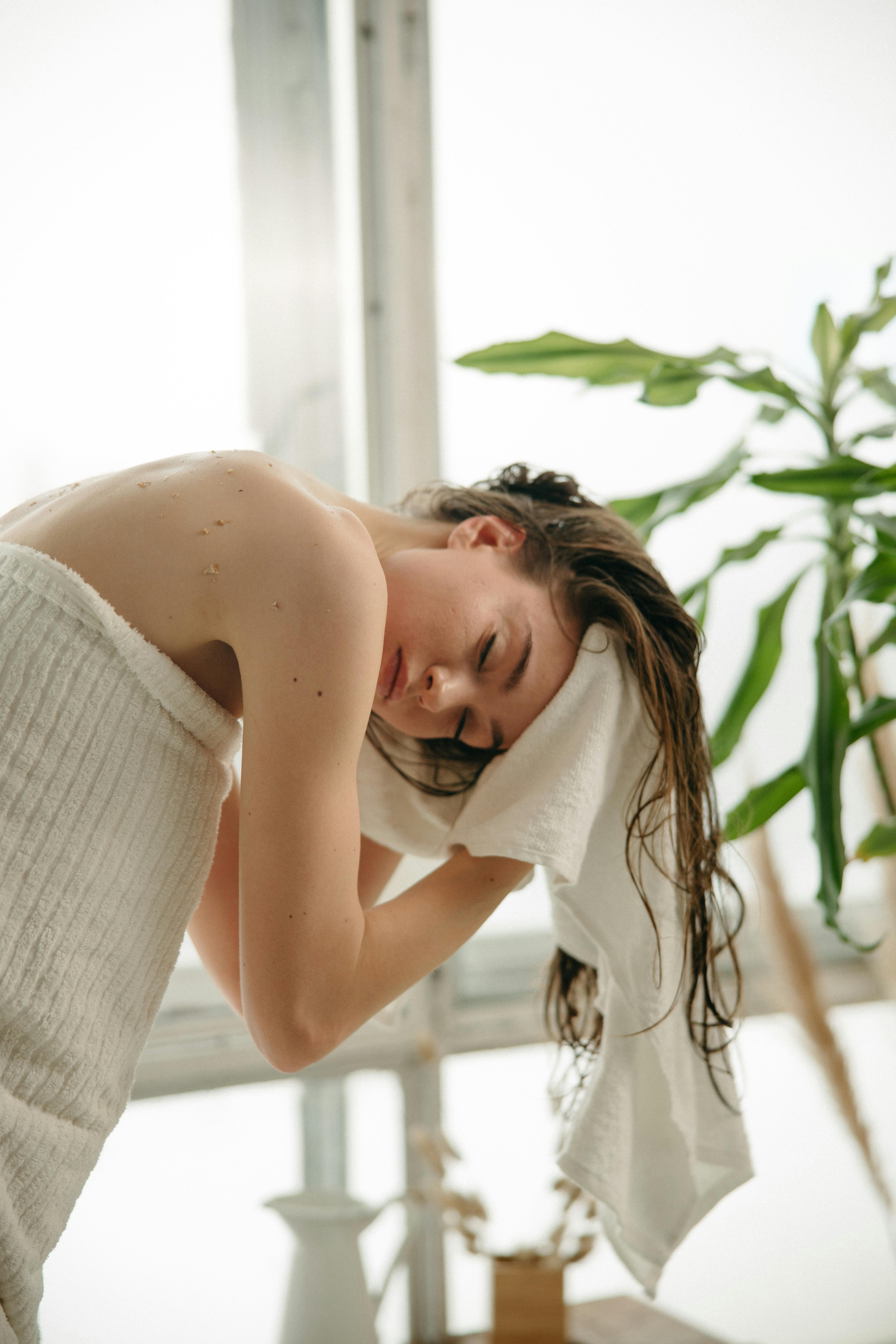
2. Dry Your Skin Completely After Washing
WHY it works: Bacteria need dampness to grow. If you put clothes on while your underarms are still wet, you have given the bacteria a warm, damp home for the whole day. Drying is half the treatment, and it costs nothing.
HOW to do it: After your shower, pat your underarms and feet dry with a clean towel. Do not rub hard; just pat until the skin feels fully dry. Wait two to three minutes before getting dressed, so the air can finish the job. In summer, a little talcum powder or cornstarch on your underarms and feet keeps them dry for hours.
Tip: Keep a separate small towel just for your underarms and feet, and wash it every two to three days. A damp, shared towel spreads bacteria instead of removing them. Fresh towels are a small habit, but they make a real difference to body odour.
3. Try a Natural Deodorant Remedy at Home
WHY it works: You do not need an expensive deodorant to stop the smell. A few kitchen items kill the bacteria that cause it, and they are gentle on the skin. They work by changing the conditions on the skin so the smell-causing bacteria cannot grow.
HOW to do it: The simplest remedy is lemon. Cut a lemon in half, rub it gently on clean, dry underarms, leave it for ten minutes, then rinse. Lemon makes the skin slightly acidic, and smell-causing bacteria cannot grow in acid. Do this two to three times a week. Another option is a baking soda paste: one spoon of baking soda with a little water, applied for ten minutes, then rinsed. Or use a plain, fragrance-free deodorant every morning on clean, dry skin.
Tip: Never put lemon or baking soda on cut, shaved-raw or irritated skin. It will sting badly. Wait a day after shaving. If your skin turns red or itchy, stop the remedy and use a plain deodorant instead. Natural does not always mean gentle, so listen to your skin.
4. Wear Clean, Loose Cotton Clothes
WHY it works: Clothes hold smell longer than skin does. A shirt worn twice, or a tight synthetic top, traps sweat against the body all day and feeds the bacteria. Clean, loose cotton breaks that cycle by letting air through and drying quickly.
HOW to do it: Wear loose cotton clothes, especially in summer. Cotton lets air through and dries quickly. Change your clothes every day, and change again after sweating. Wash your clothes with a good detergent, and dry them fully in the sun: sunlight kills smell-causing bacteria naturally. Keep your underarm hair trimmed short: hair traps sweat and bacteria, and less hair means less smell.
Tip: If a shirt still smells after washing, soak it in water with a little white vinegar for 30 minutes before washing. Vinegar kills the bacteria that normal washing leaves behind. In hot weather, this trick can save shirts that would otherwise have to be thrown away.
5. Watch What You Eat and Drink
WHY it works: What you eat changes how your sweat smells. Very spicy food, garlic, onion, and a lot of red meat can make body odour stronger for a day or two. Too little water makes your sweat more concentrated, and that smells stronger too. Food and water work from the inside, while washing works from the outside.
HOW to do it: Drink enough water every day, at least six to eight glasses, so your sweat stays dilute. Eat more fresh food: green vegetables, fruit, yoghurt, whole grains. They help your body stay balanced. Cut back on very spicy food and garlic for a few days if you have an important event, and you will notice the difference. Green tea also helps: one cup a day keeps the body fresh from inside.
Tip: Do not try to fix body odour by eating nothing or by crash dieting. When the body is hungry and stressed, it makes more smelly sweat, not less. Eat normally, drink water, and keep your outside habits steady. For more ideas on caring for your skin through the seasons, see our winter skincare routine, and learn how to choose the right moisturizer so the lotions you use every day are light, gentle, and right for your skin.
Mistakes to Avoid
- Spraying perfume on sweaty skin. Perfume mixed with sweat smells worse than sweat alone. Always wash first, then use deodorant or perfume on clean, dry skin.
- Wearing the same clothes twice. Even if they look clean, they carry bacteria and smell from yesterday.
- Using a strong antiperspirant every day without washing. Blocking sweat completely every day irritates the skin. A gentle deodorant plus washing is better.
- Shaving and then applying lemon or deodorant immediately. It burns and irritates the skin. Wait at least a few hours after shaving.
- Ignoring a sudden, very strong smell. If body odour changes suddenly, or comes with fever, itching or a rash, see a doctor. Sometimes a strong smell is a sign of infection or another health problem.
Frequently Asked Questions
Is body odour normal?
Yes, completely normal. Every adult has body odour sometimes: in heat, during exercise, and under stress. It becomes a problem only when it stays strong even after washing and clean clothes.
Do natural remedies really work, or do I need a strong deodorant?
Natural remedies work well for mild to moderate odour, because they reduce bacteria. For very strong odour, or on a long hot day, a regular deodorant or antiperspirant is fine too. Use what works for your day.
Can I use lemon on my underarms every day?
No. Two to three times a week is enough. Daily lemon can dry and darken the underarm skin. On other days, use a plain deodorant on clean, dry skin.
Why do my clothes smell even after washing?
Bacteria survive in fabric, especially synthetic clothes washed in cold water. Soak smelly clothes in vinegar water before washing, wash them in warm water, and dry them fully in the sun.
Fresh All Day Is a Habit, Not a Product
Body odour is not about being unclean. It is about bacteria, dampness and clothes. Wash the right places properly, dry fully, use a simple deodorant or lemon remedy, wear clean, loose cotton, and drink enough water. The whole routine costs almost nothing.
Start tomorrow morning, keep it up for a week, and you will notice the difference yourself, and so will everyone around you. Freshness is not something you buy. It is something you build, one small habit at a time.